


In some scattered islands and remote mountain towns of Palawan, childbirth can still be perilous. Long distances to hospitals, reliance on traditional birth attendants, and cultural barriers have kept maternal mortality a stubborn challenge in the province.
Now, the provincial government, in coordination with the Department of Health and local municipalities, is reshaping how maternal health care reaches expectant mothers, beginning not in hospitals, but at the level of barangays and cultural communities.
“Yung mga innovations na ginagawa natin ay ang pag-conduct ng review sa bawat case para ma-identify natin ang gaps and delays… Nagkaroon din tayo ng provincial maternal health planning, kasama ang mga LGUs at chief of hospitals para makagawa ng mas maayos na plano bawat agency at stakeholders,” said Jenevil Tombaga, manager of the province’s Maternal Health Program.
The approach relies heavily on partnerships with midwives, barangay health workers, and even manghihilot, traditional birth attendants who, for generations, have overseen home deliveries. Under a program called Akay-Buntis, these manghihilot are trained to guide pregnant women through prenatal checkups and ensure they eventually deliver in a health facility.
But the strategy is not just about training; it also involves accountability. An ordinance now penalizes manghihilot who conduct unsafe home births, while at the same time rewarding them with incentives when they successfully refer expectant mothers to midwives or hospitals.
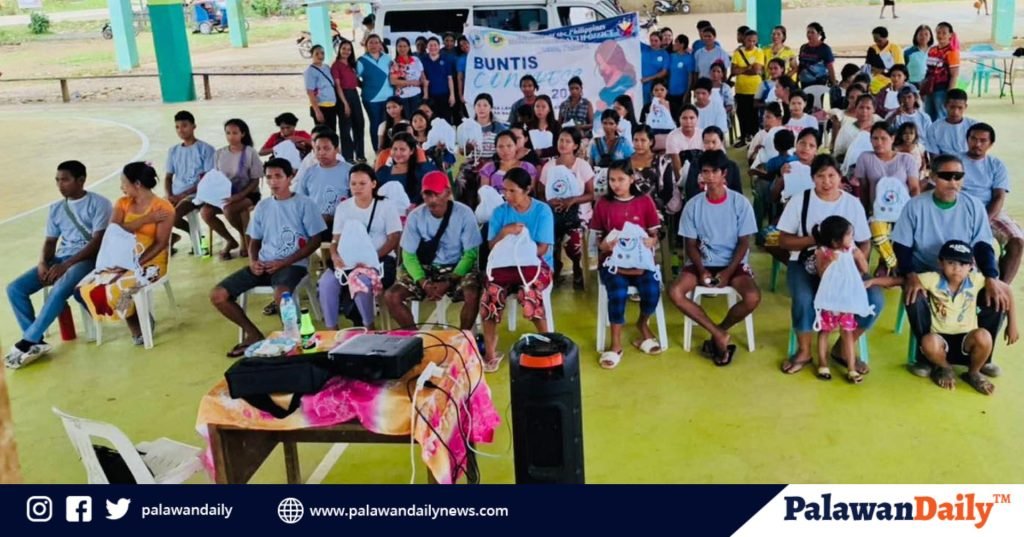
The Provincial Health Office has also begun rolling out “IP culture sensitivity training” for indigenous communities, aiming to bridge trust gaps and explain the importance of medical support during pregnancy and childbirth. Alongside these efforts, the province continues distributing free “buntis kits,” basic supplies for childbirth, and running awareness drives about safe practices for mothers-to-be.
For Palawan, where reaching a clinic may mean hours on foot or boat, the work is far from over. But officials hope that anchoring maternal care on both science and tradition can help save lives where access remains scarce.