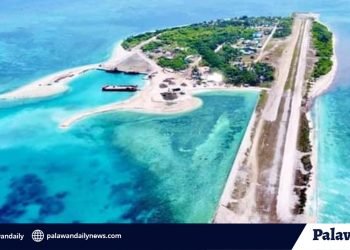



Since its establishment by presidential decree in 1978, the Municipality of Kalayaan has served as a critical outpost of Philippine sovereignty. Located 280 nautical miles from Puerto Princesa, Pag-asa Island, the town’s administrative heart, stands as the country’s most remote civilian frontier.
While the island has evolved from a lonely military garrison into a functioning community with a school, clinic, and residential rows, it remains a rare example of a Philippine town without a formal house of worship.
For nearly 50 years, this central pillar of Filipino social life has been missing, even as the population has grown to over 500 people, including roughly 400 civilians and a rotating force of security personnel.
The Philippine Coast Guard (PCG) moved to address this long-standing void on Monday by announcing a proposal to construct the island’s first Roman Catholic church. Beyond providing a sanctuary for the predominantly Catholic residents, officials view the project as a strategic move to bolster the morale of those living under the constant watch of foreign naval vessels.
Commodore Jay Tarriela, the PCG’s spokesperson for West Philippine Sea affairs, confirmed he has entered into formal discussions with Bishop Socrates Mesiona of the Apostolic Vicariate of Puerto Princesa to bring the project to fruition.
“We believe this is important to support the local community,” Commodore Tarriela said during a press briefing.
“The majority of our fellow Filipinos there, including members of the Armed Forces, Coast Guard, and the PNP Maritime Group, are Catholics.”
Currently, spiritual life on the island is makeshift. For decades, residents, including nearly 100 school-age children, have relied on repurposed military sheds or open-air clearings for Mass, led by chaplains who only visit occasionally by sea or air.
Mayor Beltzasar Alindogan of Kalayaan signaled his support for the plan, noting that a permanent church and a resident priest would provide a profound sense of normalcy to the isolated town.
The proposal comes amid heightened friction with Beijing, which maintains a massive military base on nearby Subi Reef, just 14 miles away. However, Commodore Tarriela dismissed concerns that a religious site would provoke an escalation, noting that the Chinese Coast Guard and maritime militia already maintain a near-constant cordon around the island.
“With or without anything that we do there, they have always been deployed surrounding Pag-asa,” he said.
While the specific name of the parish and its patron saint remain under discussion, officials aim to hold a groundbreaking ceremony by late March. If realized, the church will mark a historic milestone for a community that has waited nearly half a century to hear the sound of its own church bell.