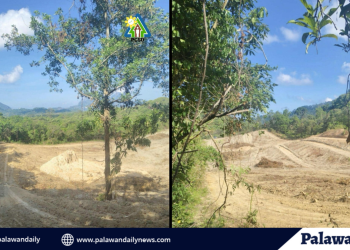



The local government of El Nido publicly acknowledged this week that years of environmental rehabilitation efforts have yet to fully address the town’s worsening water quality, sanitation problems, and health-related risks, issues that continue to impact both residents and visitors.
In a statement released Thursday, July 3, the municipal government said it recognizes the “continuing environmental, public health, and water security challenges” facing the community. “We understand the concerns of our residents, stakeholders, and visitors,” it added, “and we assure everyone that these matters remain a top priority of our local government.”
El Nido, one of Palawan’s most visited tourist destinations, has long struggled with managing the balance between environmental protection and the pressure of a growing tourism industry. Despite previous efforts, including improvements in wastewater treatment, marine protection programs, and stricter waste management, officials say those interventions have not been enough.
The town, known globally for its limestone cliffs and island-hopping tours, now finds itself confronting deeper questions about water access, public safety, and the limits of short-term solutions. “Some of the interventions we have undertaken still fall short in fully resolving complex, long-standing concerns, particularly those affecting water quality, water security, and sanitation,” the statement read.
“Ensuring access to clean, safe, and reliable water resources, both for consumption and recreational use, is essential for public welfare, economic activity, and community resilience,” it said.
Still, the government made clear that lasting change will require more than official programs. “The protection of El Nido’s environment, water resources, and public health is not the duty of government alone,” it said. “It is a shared obligation that requires unity, discipline, and compassion.”
Business owners, tourism stakeholders, and residents are being asked to take part in these ongoing efforts. “We appeal to our communities… for continued cooperation, patience, and collective responsibility,” the statement said.
While tourism remains a major economic driver for El Nido, the town’s leaders say they are prioritizing long-term sustainability, not just for the protection of its world-famous lagoons and coastlines, but for the well-being of its people.