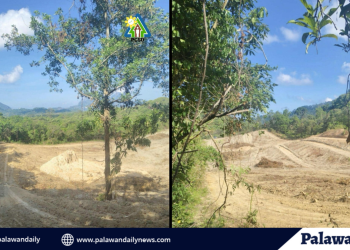


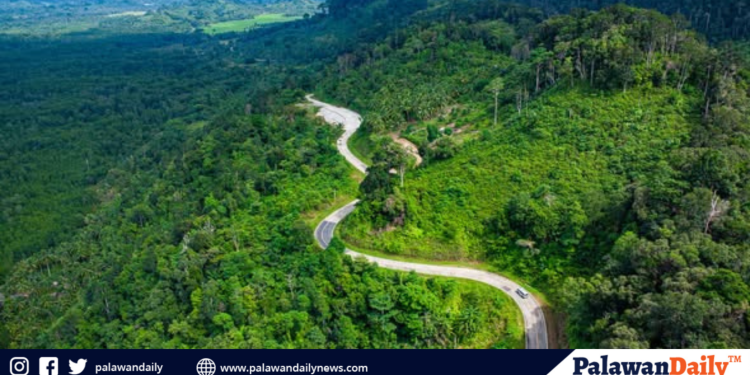

Eight people’s organization in Rizal town established a 1,300-hectare jackfruit plantation as part of the national government’s Enhanced National Greening Program (ENGP).
The DENR-CENRO Quezon said that the site was planted with around 130,000 Abuyog Sweet Langka seedlings and implemented by eight People’s Organizations, which they described as a project that reflects strong community participation and effective field management.
Abuyog Sweet Langka, also known as EVIARC Sweet Jackfruit, is a premium, high-sugar variety of jackfruit developed by the Eastern Visayas Integrated Agricultural Research Center (EVIARC), Department of Agriculture’s research arm that develops, generate and adapts technologies to boost agricultural productivity. It is widely recognized as the world’s sweetest jackfruit, with a high brix level of 25.15, and is characterized by its firm, bright yellow, and almost crunchy flesh.
In two years, the eight communities in Rizal, Palawan has invested P44-million for the project.
“From 2024 to 2026, around ₱44 million has been invested in the project, benefiting communities in the Municipality of Rizal, particularly Indigenous Peoples (IP) communities in Barangays Panalingan, Taburi, and Latud. Residents gain income opportunities through nursery work, plantation maintenance, and site protection—strengthening long-term community stewardship of the area,” national government’s report reads.
“The project highlights the transition of the National Greening Program into the more strategic and investment-led ENGP, aligned with the national push for climate resilience, livelihood generation, and sustainable use of natural resources,” the DENR said.
Based on the project’s performance and high survival rate of this jackfruit variety, the the DENR has endorsed a proposal to expand the plantation by an additional 600 hectares in nearby Sofronio Española and Quezon in southern Palawan.
The DENR said that the Abuyog Sweet Langka Plantation in Palawan stands as a model of community-led reforestation—showing how environmental restoration can go hand in hand with food security, livelihood development, and inclusive rural growth.