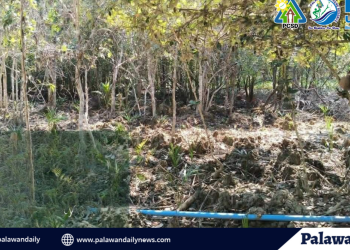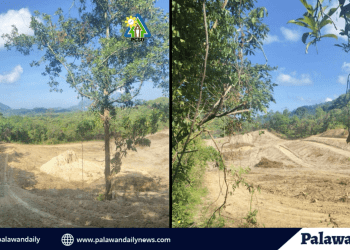


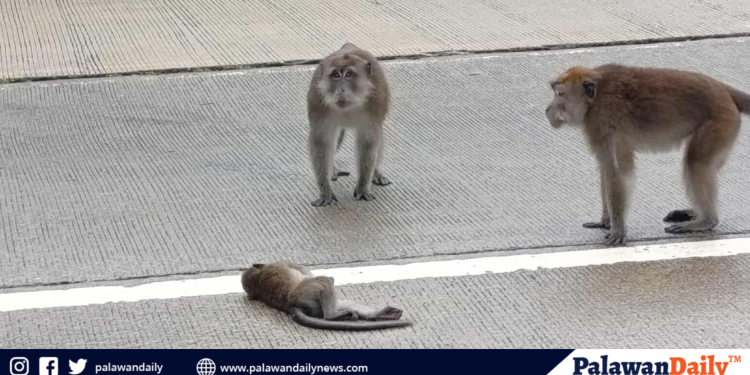

It informed that the macaque’s survival is increasingly threatened by habitat destruction, illegal logging, mining, land conversion, hunting, and human encroachment.
“The Philippine long-tailed macaque is a near-threatened species native to the Philippines. Found in forests, mangroves, and coastal areas across the country, these intelligent and highly social animals play an important role in maintaining healthy ecosystems,” the PAWS said.
However, changes in macaque’s habitat specially forests, it brought them closer to densely populated communities where it suffered from man’s cruelty.
“As forests disappear and food sources become scarce, many macaques are forced closer to human communities in search of food and shelter. In return, they are too often met with fear, cruelty, and violence, instead of understanding and humane solutions,” the PAWS said.
Macaques thrived in several areas in Palawan. In the Puerto Princesa Subterranean River National Park (PPSRNP) they are visible in the area, approaching tourists and visitors, while these tourists are on their way to the underground river. Macaques also abound in the city’s environmental estate, notably along south national road in Barangay Montible and Barangay Sta Lucia in Puerto Princesa, where several vehicles traversing it accidentally hit macaques crossing the concrete road.
“This International Macaque Week, let us choose coexistence over cruelty and recognize that protecting wildlife also means protecting the habitats they depend on,” the PAWS urged.