

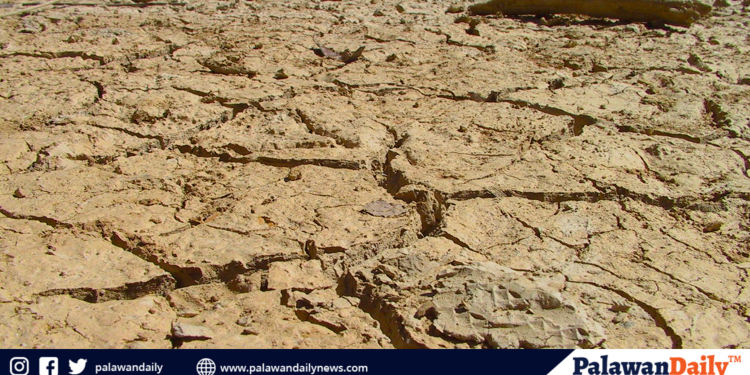

The Philippine Atmospheric, Geophysical and Astronomical Services Administration (PAGASA) has officially placed the country under an El Niño Watch as it warned that 79 percent possibility of El Niño will be experience starting June or August 2026 and will last until the first part of 2027.
El Niño is a climate phenomenon characterized by above normal temperatures and lesser rainfall. Consequently, it increases the risk of droughts and dry spells in many areas due to drier conditions.
“In the coming seasons starting June, the probability of El Niño developing has increased… Umabot na ng about 79% probability na mag-emerge ang El Niño during the June–July–August season,” PAGASA admistrator Dr. Nathaniel Servando said.
Because of this, the Department of Agriculture (DA) issued an advisory to farmers and fisherfolks.
“Ang El Niño ay nagdudulot ng matinding init at kakulangan sa ulan, na maaaring magresulta sa pagbaba ng suplay ng tubig sa irigasyon, stress sa mga pananim, at posibleng pagkasira ng ani,” the regional office of the Department of Agriculture (DA) warned.
The DA informed that this phenomenon is expected to bring several adverse effects in the agri-fishery sector such as reduced production leading to income losses for farmers and fisherfolk. Ironically, this will also result to increase in prices of basic goods that can result to food shortages and disruption of the food supply chain.
“Sa gitna ng hamong ito, nakaagapay ang National Irrigation Administration (NIA) Mimaropa upang suportahan ang ating mga magsasaka.Sa pamamagitan ng maayos na koordinasyon at tamang paghahanda, mapoprotektahan natin ang ating mga pananim at mapapanatili ang ating kabuhayan sa kabila ng El Niño,” the DA further said.
As part of the preparedness the DA said that it is prepositioning of agricultural and fishery inputs, assessment of the field situation, conduct of information campaigns, among others as part of its intervention.
The DA is also encouraging farmers and fisherfolks to practice measures to minimize agricultural losses and damage such as but not limited to, water conservation measures like rainwater harvesting, use of drought-tolerant and early maturing seeds, secure crop insurance, proper housing and transport for livestock, proper feed and water management in fisheries, use of aerators and spray pipes and other practices.